
Oil prices surged sharply on Monday, with Brent crude climbing as much as 13% after Iranian retaliatory attacks disrupted shipping in the strategic Strait of Hormuz. The escalation follows an initial US-Israeli strike that killed Iranian Supreme Leader Ayatollah Ali Khamenei.
Brent crude reached an intraday high of $82.37 per barrel—the highest since January 2025—before settling at $78.28, up $5.41 (7.4%) by 06:05 GMT. US West Texas Intermediate (WTI) hit $75.33, its highest since June, before paring gains to $71.76, up $4.74 (7.1%).
The surge comes as a series of counterattacks damaged tankers and disrupted shipments through the Strait of Hormuz, a vital waterway connecting the Gulf to the Arabian Sea. About one-fifth of global oil supply from Saudi Arabia, UAE, Iraq, Iran, and Kuwait typically passes through this corridor, along with refined products destined for major Asian markets, including China and India.
“Markets are acknowledging the seriousness of the conflict, but are signalling that, for now, this is a geopolitical shock, not a systemic crisis,” said Priyanka Sachdeva, senior analyst at Phillip Nova.
Shipping data showed over 200 vessels, including oil and liquefied gas tankers, anchored outside the Strait. Attacks on Sunday damaged three tankers and killed one seafarer.
Asian economies are reviewing stockpiles and alternative supply routes. South Korea plans to release petroleum reserves if disruptions persist, while India is exploring alternate shipping paths.
Despite the spike, prices later eased as markets had already factored in a risk premium. Year-to-date, Brent is up over 19%, and WTI has risen about 17%.
Amid the conflict, OPEC+ agreed to a modest 206,000 barrels-per-day production increase for April. Analysts note that most OPEC+ members are producing at capacity, except for Saudi Arabia. The International Energy Agency (IEA) is coordinating with Middle Eastern producers and developed nations to manage strategic petroleum reserves if needed. Global oil inventories currently cover 74 days of demand, near historical averages, according to Goldman Sachs.
Analysts at Citi predict Brent could trade between $80 and $90 per barrel this week amid ongoing tensions. “Our baseline view is that either Iran’s leadership changes or the US and allies manage to de-escalate the conflict within 1–2 weeks,” said Max Layton and Citi colleagues.
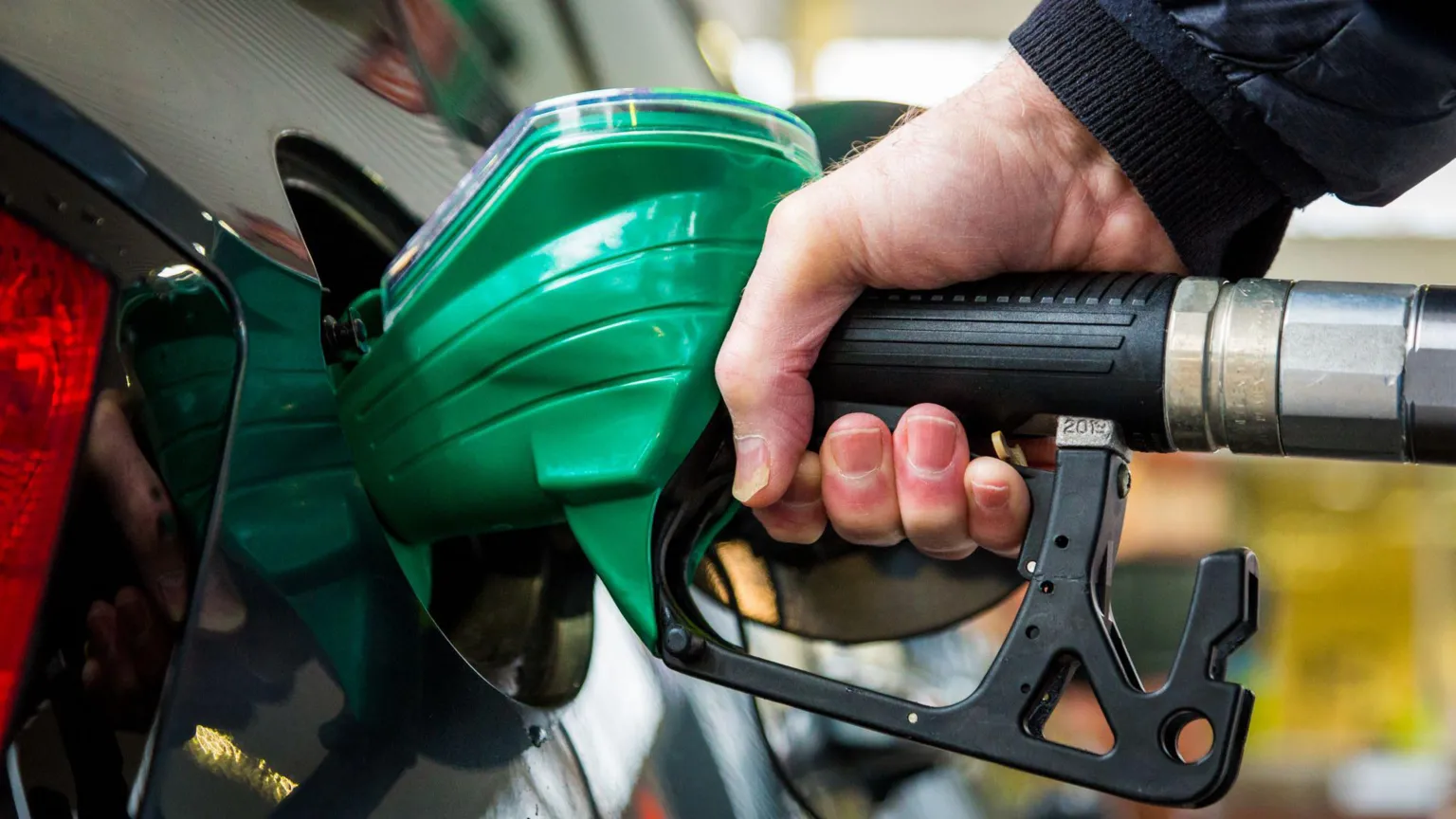
The conflict may also push US retail gasoline prices higher. Futures rose as much as 9.1% to $2.496 per gallon—the highest since July 2024—before settling at $2.381, up 4.2%. Rising fuel costs could become a political concern ahead of the November midterm elections.