
Oil prices climbed about 1 per cent on Wednesday as escalating tensions from the US-Israeli conflict with Iran continued to disrupt energy supplies in the Middle East. However, gains were tempered after US President Donald Trump suggested the US Navy could escort commercial vessels through the Strait of Hormuz to safeguard shipments.
Brent crude rose $1.17, or 1.4pc, to $82.57 per barrel by 04:08 GMT, after closing at its highest level since January 2025 in the previous session. US West Texas Intermediate (WTI) increased 72 cents, or 1pc, to $75.28 a barrel, following its strongest settlement since June. Both benchmarks have gained roughly 5pc or more over the past two trading sessions.
Analysts say geopolitical developments have overtaken traditional market drivers. “At the moment, geopolitics is outweighing factors such as inventory data, US economic indicators or Opec commentary,” said Priyanka Sachdeva, senior market analyst at Phillip Nova. She noted that traders are closely watching Gulf export flows, any confirmed tanker incidents, US naval activity and signals from Iran.
On Tuesday, Israeli and US forces carried out strikes across Iran, triggering retaliatory attacks by Tehran on energy infrastructure in a region responsible for nearly one-third of global oil output.
In Iraq — the second-largest producer within Organization of the Petroleum Exporting Countries — output has reportedly been reduced by nearly 1.5 million barrels per day, roughly half of its production, due to storage constraints and blocked export routes. Officials indicated that the country could be forced to halt its nearly 3 million barrels per day of output within days if exports do not resume.
Iran has also targeted tankers in the Strait of Hormuz, a critical chokepoint through which around one-fifth of global oil and liquefied natural gas supplies pass. Shipping traffic through the passage remains effectively suspended.
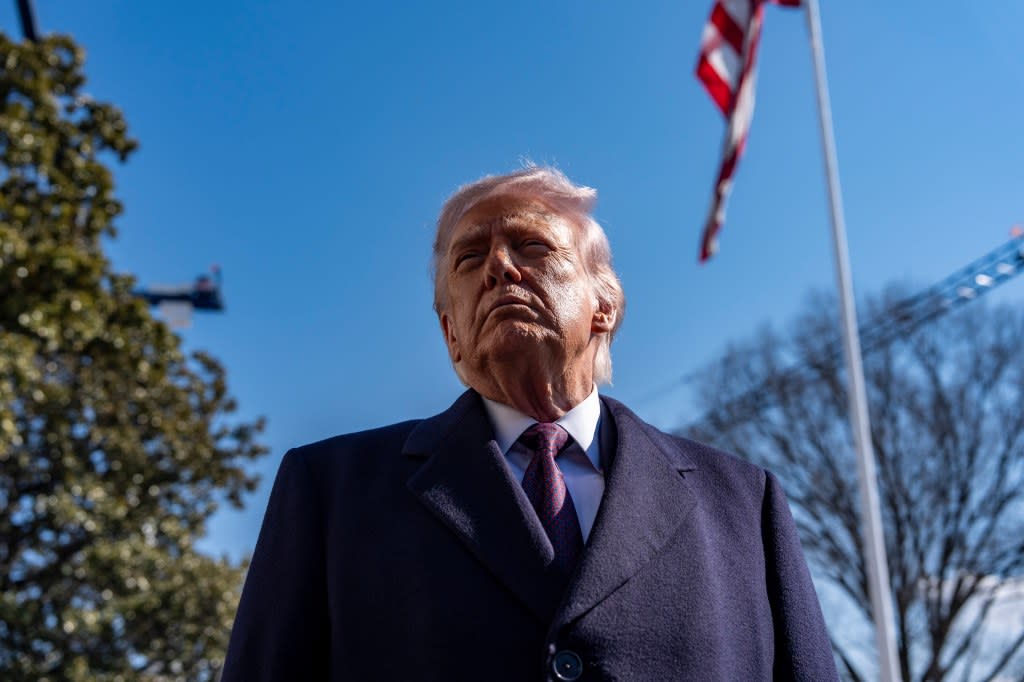
President Trump said the US Navy may begin escorting oil tankers if required and added that he had directed the US International Development Finance Corporation to provide political risk insurance and financial guarantees to support maritime trade in the Gulf.
Analysts at ING noted that while such guarantees could ease concerns — particularly as insurers withdraw war-risk coverage for vessels transiting the Strait — implementing naval escorts and restoring confidence would take time.
Meanwhile, governments and companies are exploring alternative supply routes. India and Indonesia are seeking new energy sources, while some Chinese refineries have either shut operations or advanced maintenance schedules.
In the United States, crude inventories increased by 5.6 million barrels last week, according to market sources citing American Petroleum Institute data — significantly higher than analysts’ expectations of a 2.3 million barrel build. Official figures from the US government are due later on Wednesday.