
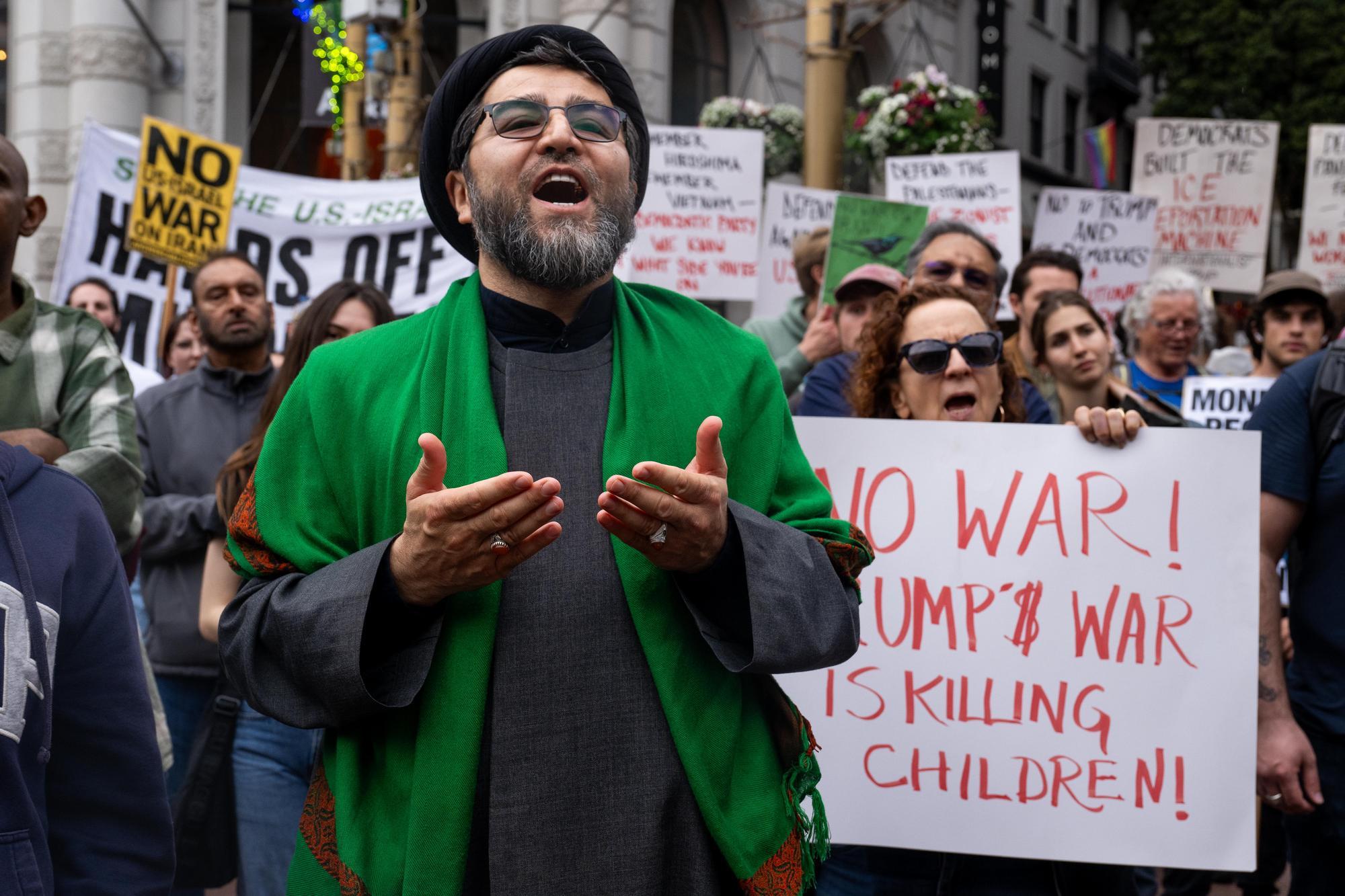
The recent US-Israeli strikes on February 28, which killed Iran’s Supreme Leader Ali Khamenei, have failed to topple the Iranian government, leaving Washington with few clear paths forward. From its strategic position along the Strait of Hormuz, Tehran is now leveraging global oil supplies and regional influence, placing the world economy under pressure.
The initial targeted operation has escalated into a conflict that the United States cannot fully control, sharply restricting President Donald Trump’s strategic options. Two weeks into the air campaign, Iran continues to hold significant leverage over oil exports and is striking US allies across the Middle East, including Gulf states long seen as bastions of stability.
According to American scholar Robert Pape, strategies like targeted assassinations have “never been effective” in traditional state-versus-state warfare. Iran, meanwhile, has adapted lessons from past conflicts. Foreign Minister Abbas Araghchi noted that the country studied US military defeats in the region and has implemented a decentralized “mosaic defence” to maintain military effectiveness despite leadership losses.
This doctrine, developed after the US interventions in Iraq and Afghanistan in 2005, allows Tehran to pursue a three-part strategy: ensure regime survival, maintain retaliatory capacity, and prolong the conflict to secure favorable terms. Experts say this strategy significantly constrains Washington’s options, as escalating hostilities impact both US allies and domestic costs.
Global impact
Iran has launched missile and drone attacks on Gulf targets, including a marina in Dubai and oil tankers, while Hezbollah exchanges fire with Israel in Lebanon. The Iranian military has effectively threatened the Strait of Hormuz, a critical route for one-fifth of global crude oil shipments.
As a result, oil prices have surged, rationing has begun in countries from the US to Bangladesh, air traffic has slowed, and foreign businesses are evacuating Gulf states. Strategic petroleum reserves totaling roughly 400 million barrels have been released worldwide, but disruptions continue to ripple across trade and shipping. Analysts warn that Gulf states feel frustrated after investing heavily in diplomacy with Tehran.
US strategy questioned
The crisis has cast doubt on Washington’s approach. President Trump has demanded Iran’s “unconditional surrender,” while Defense Secretary Pete Hegseth maintains the operation is “laser-focused.” Critics argue the administration underestimated Iran’s strategic depth and overestimated its own control over outcomes.
Although sanctions and domestic unrest in Iran have posed challenges, Tehran still wields significant leverage through oil exports, regional proxy forces, and missile strikes. These actions strain US air defenses and force costly deployments of systems like Patriot and THAAD.
Domestically, Trump faces mounting political pressure ahead of congressional elections, with voters sensitive to rising fuel prices and economic disruption.
No clear exit
Analysts suggest the war may have no easy resolution. Options range from Iran prolonging hostilities, to the US increasing ground involvement, or outsourcing conflict to opposition groups, potentially fueling ethnic strife. Experts warn the conflict could persist long after US military action, leaving the region unstable and the global economy at risk.
For now, missiles continue to strike across Iran and beyond, underscoring the high stakes and uncertain endgame of the war.