
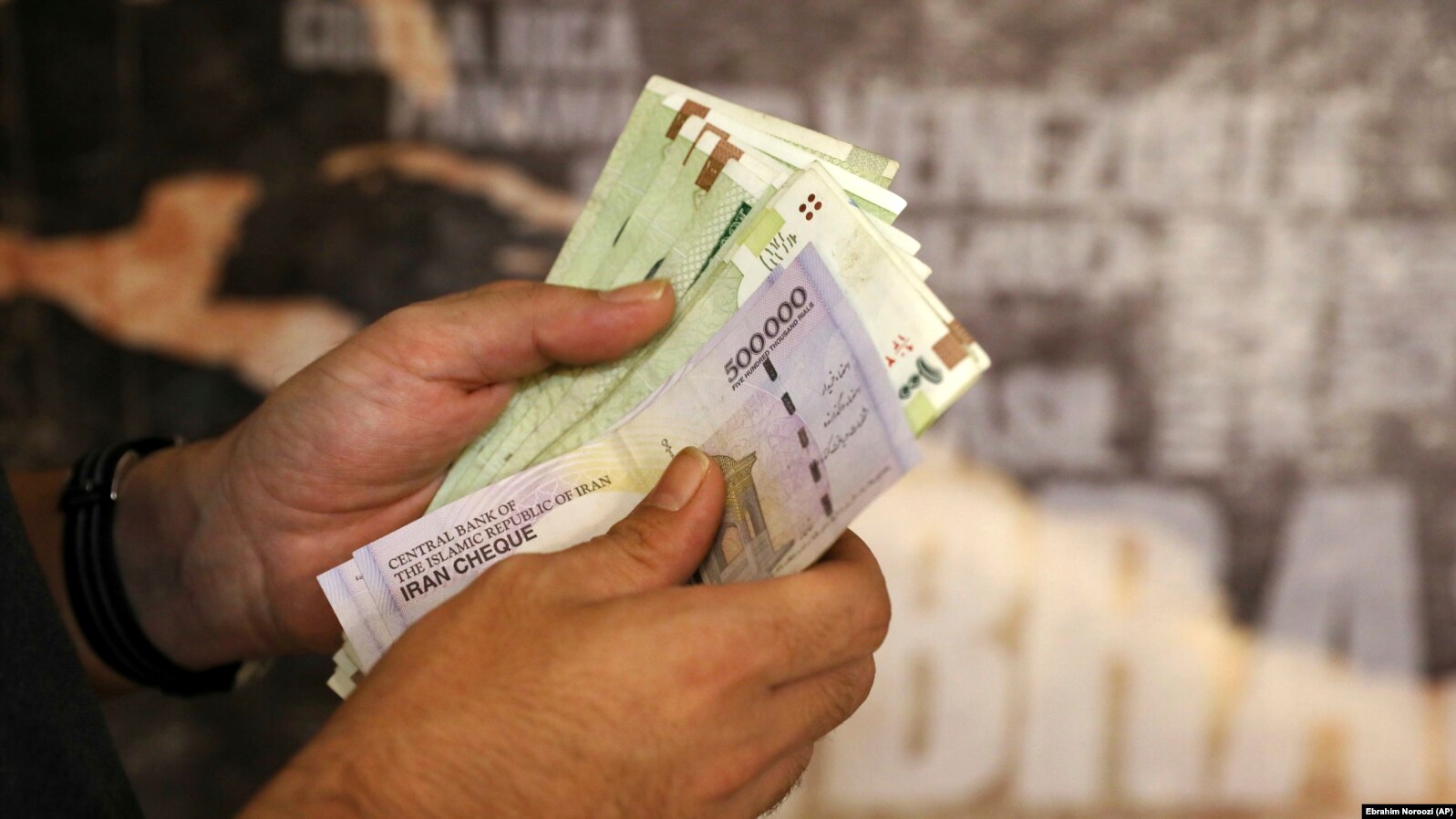
KARACHI: The Iranian rial has recorded a nearly fourfold rise against the Pakistani rupee amid the ongoing conflict, as speculative trading and growing cross-border commerce continue to drive strong demand for the currency, market sources said on Tuesday.
The exchange rate has climbed sharply from Rs2,500 per 10 million rials before the war to Rs10,000, highlighting a steep increase in market demand.
Currency dealers said investors are actively speculating that Iran’s earnings have improved during the conflict compared to the pre-war period, with expectations that the rial could post further gains in the coming weeks and months.
The Iranian currency had previously plunged to historic lows after the United States imposed broad sanctions on Iran in early 2026, severely restricting its access to dollars and limiting imports.
“Demand for Iranian rial has suddenly surged during the war, whereas it was available at extremely low prices earlier,” said Malik Bostan, chairman of the Exchange Companies Association of Pakistan.
He explained that 10 million rials, once trading at Rs2,500, are now being sold for Rs10,000 — almost four times higher. While he said the exact reasons for the sudden spike remain unclear, he noted that many buyers appear to be investing in the currency in anticipation of a stronger post-war recovery.
Other market participants linked the rally to the growing inflow of Iranian goods, particularly petroleum products, into Pakistan, which has further increased demand for the rial.
According to media reports, Washington’s strategy aimed to place intense economic pressure on Iran by limiting access to foreign exchange, targeting oil exports, and cutting links to international banking channels.
These measures significantly weakened the Iranian currency and pushed inflation to around 55 per cent, while also discouraging global financial institutions and corporations from facilitating dollar transactions with Iran.
Despite the conflict, reports suggest Iran’s oil production has risen by nearly 30 per cent, allowing the country to benefit from elevated international oil prices. The United States has also warned of possible strikes on Iran’s major oil facilities, power infrastructure, and the strategic Strait of Hormuz.
Industry sources said Iranian oil remains widely available in Balochistan, Sindh, and Punjab, which may also be contributing to higher demand for the currency. There are also reports that Iran is seeking payments in its own currency for oil supplies, although this could not be independently verified.
Meanwhile, Pakistan has so far maintained relative stability in its exchange rate against the US dollar despite the intensifying Gulf conflict. However, pressure is gradually building as higher oil costs have been passed on to domestic consumers, while LNG prices have also reportedly increased.