
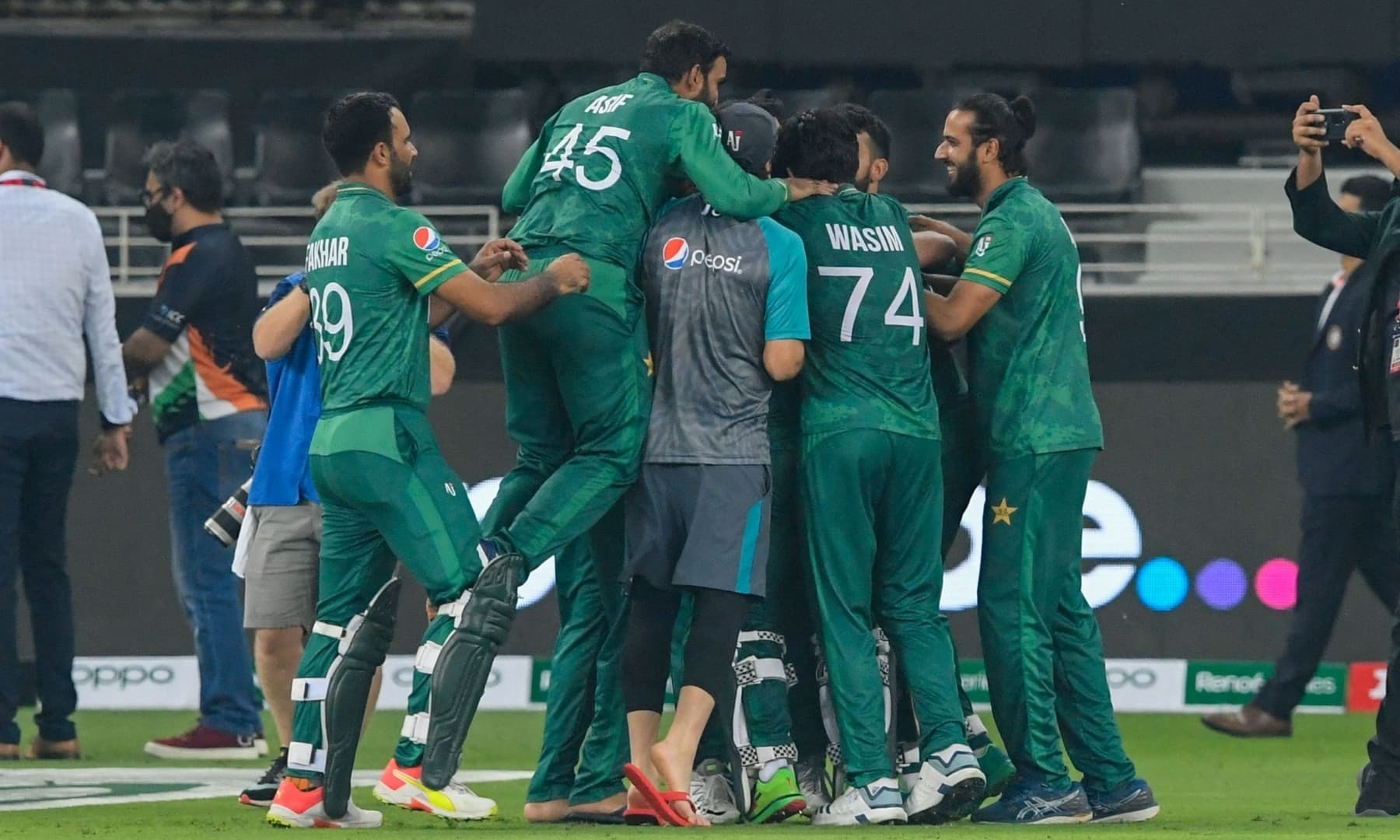
Pakistan’s decision to face India in the T20 World Cup on February 15 has sparked widespread reactions from cricket fans, experts, and political figures alike.
The move comes after Pakistan initially vowed to boycott the match in solidarity with Bangladesh, following the ICC’s refusal to let Pakistan play its games against India in Sri Lanka. However, after an ICC delegation visited Pakistan over the weekend and met with PCB Chairman Mohsin Naqvi, the government decided the team would participate. Sri Lanka had also urged Pakistan to play.
Sri Lankan Foreign Minister Vijitha Herath expressed gratitude on social media, thanking PM Shehbaz and Pakistan’s government for “positively considering Sri Lanka’s request.” He also praised the PCB for its “cooperation—a gesture that reflects sportsmanship, friendship, and the strength of our bilateral ties.”
Sri Lankan President Anura Kumara Dissanayake called PM Shehbaz personally to express his delight, thanking him for “ensuring the game we all love goes on.” Journalist Faizan Lakhani noted, “When a head of state publicly thanks Pakistan for a match that doesn’t even involve his own team, it’s clear this was bigger than sport.” He added that the statement underscored Pakistan’s importance in world cricket and the need for government-level intervention to resolve a tense standoff.
Former cricketer Shahid Afridi lauded the decision, saying, “The spirit of cricket has prevailed. Pakistan has protected the sanctity of the T20 World Cup and ensured the game’s global stability. Cricket wins—it continues to bridge divides.”
Former England captain Michael Vaughan called the decision “great for the competition and cricket,” adding, “We need them to somehow play a Test series soon as well … the UK would be a perfect place to host a three-match series.”
Indian cricket commentator Harsha Bhogle described Pakistan’s participation as inevitable: “It was clear as daylight. Withdrawal was never even a possibility.” Veteran Indian journalist Pradeep Magazine said the decision reflects “good sense prevailing on all sides,” noting the financial stakes: “India-Pakistan is not just about cricket revenue—it also drives wider commercial earnings. Losing that would have been a loss-loss for all ICC members.”
Former India cricketer Madan Lal added, “Pakistan did shake up the ICC by repeatedly saying they would not play. Eventually, officials had to be sent to sort it out—which was good for cricket. We want strong teams to play so the World Cup’s charm isn’t lost.” He also noted on social media that “Bangladesh solved the problem for ICC. They told Pakistan to play the game on the 15th. What happened behind closed doors, nobody knows.”
With global cricketing figures praising Pakistan’s decision, it’s clear that the match is not just about sport—it’s a celebration of cricket’s ability to unite, entertain, and sustain the game’s worldwide appeal.