
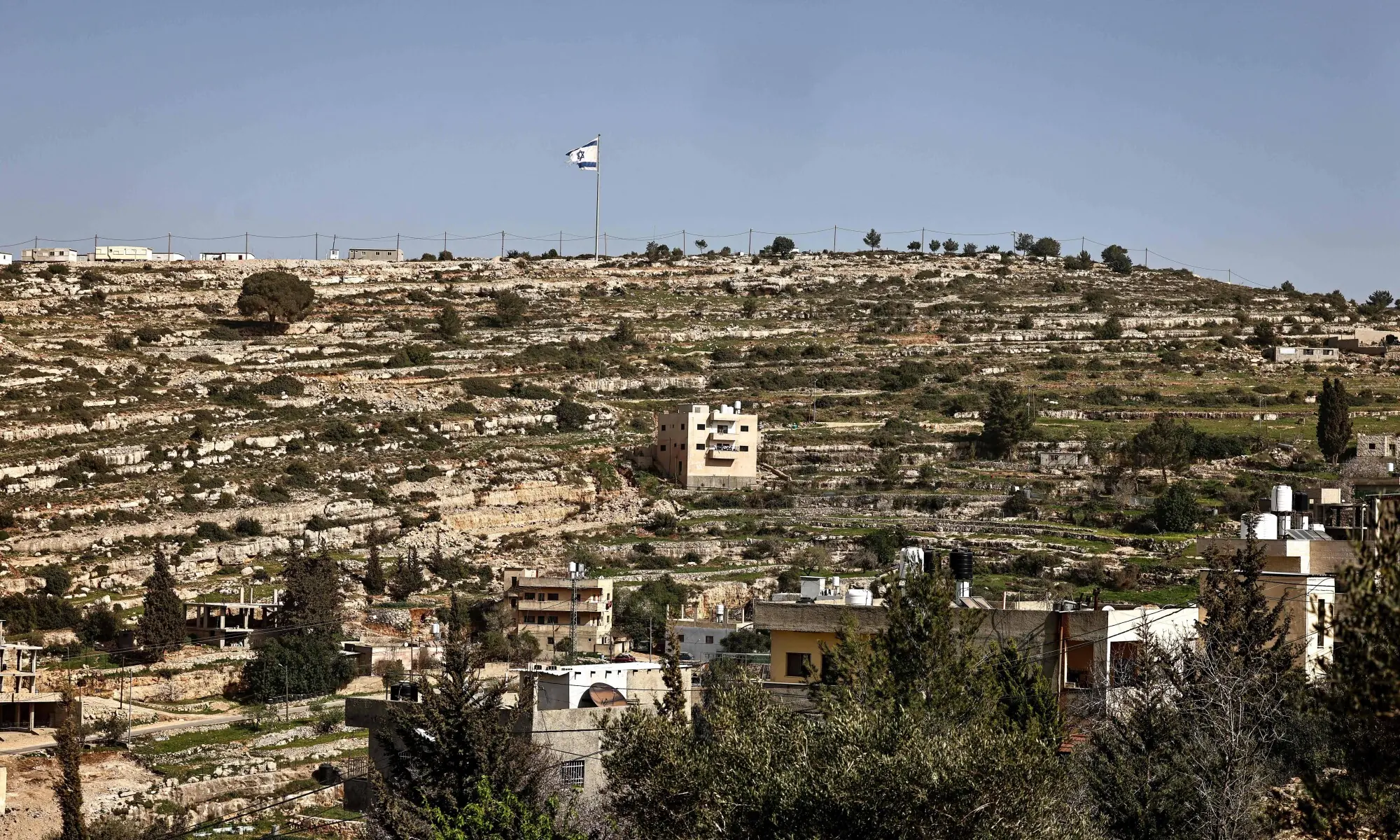
In a joint statement issued on Wednesday, countries such as Saudi Arabia, Jordan, France, Spain, Türkiye, Qatar, the League of Arab States, and the Organisation of Islamic Cooperation criticised Israel’s recent decision to designate large swathes of West Bank land as “state property”. The signatories said the move significantly accelerates illegal settlement expansion and further entrenches Israeli administrative control over occupied territory.
Earlier this month, the Israeli government approved the registration of extensive areas in the West Bank as state land for the first time since its occupation of the territory in 1967. The measure would expand Israeli civilian authority in Areas A and B — which together account for about 40 per cent of the West Bank — despite international law prohibiting an occupying power from confiscating land in occupied territories.
Describing the step as part of a broader strategy, the joint statement said the decisions aim to alter facts on the ground and advance what it termed “unacceptable de facto annexation”. It stressed that Israeli settlements violate international law, including resolutions of the United Nations Security Council and the 2024 advisory opinion of the International Court of Justice.
The countries called on Israel to immediately reverse the measures, fulfil its international obligations, and avoid actions that could permanently change the legal and administrative status of the occupied Palestinian territory. They warned that continued settlement expansion undermines the viability of a future Palestinian state and jeopardises the Two-State Solution.
Reaffirming their opposition to any demographic or territorial changes in land occupied since 1967 — including East Jerusalem — the signatories rejected all forms of annexation and urged Israel to halt settler violence and hold perpetrators accountable.
They also pledged to take concrete steps, consistent with international law, to counter illegal settlement growth and any policies involving forcible displacement or annexation.
Emphasising the importance of maintaining the historic and legal status quo in Jerusalem, particularly during Ramazan, the statement recognised the special role of the Hashemite custodianship over the city’s holy sites and condemned repeated violations that threaten regional stability.
Separately, the Palestinian Presidency denounced Israel’s decision as a serious escalation that nullifies existing agreements and contradicts UN Security Council resolutions. Hamas also criticised the move, calling it an attempt to appropriate and “Judaise” land in the occupied West Bank by registering it as state property.
Much of Palestinian land remains formally unregistered, as the complex registration process was halted by Israel in 1967. Formal registration establishes permanent ownership.