
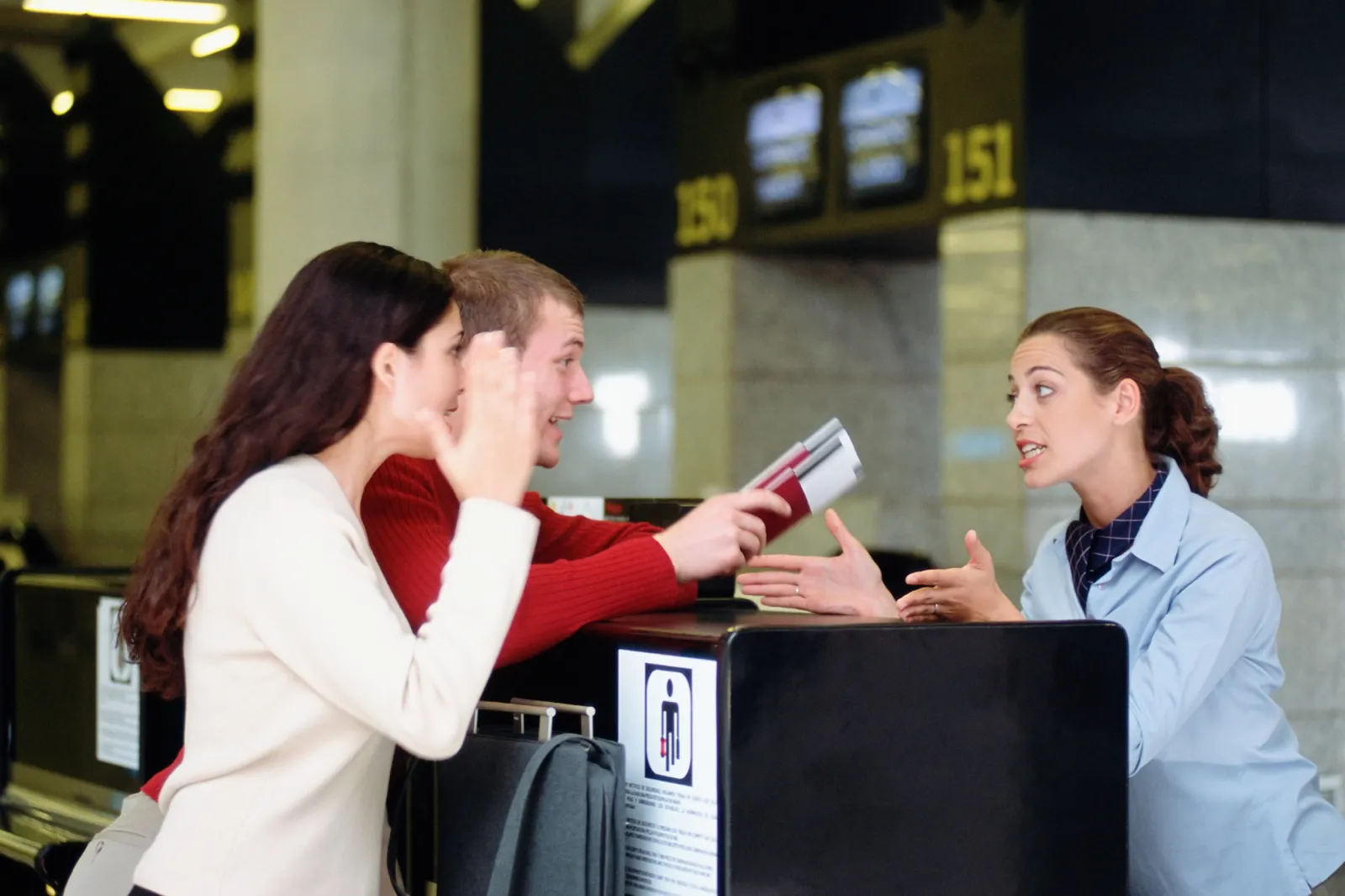
Long lines, repeated questioning and extended immigration checks have become a common complaint for international travellers departing from Karachi, Lahore and Islamabad, as authorities intensify efforts to curb illegal migration and human smuggling.
Passengers say queues at major airports often stretch beyond terminal entrances, with multiple layers of document checks adding to wait times. Many describe being questioned repeatedly about their destination, profession and finances — sometimes at several points before boarding.
The stricter screening follows a nationwide crackdown after boat tragedies involving undocumented migrants and complaints from Gulf countries about beggars travelling abroad. According to the interior ministry, around 51,000 passengers were offloaded in 2025 for incomplete or suspicious documentation, most of them at Lahore and Karachi airports.
Lahore: long queues and tighter checks
At Allama Iqbal International Airport, passengers report heavy congestion during peak departure hours. The Federal Investigation Agency (FIA) acknowledges stricter screening for travellers heading to destinations including Saudi Arabia, the UAE, Azerbaijan and several European countries.
Officials argue the added scrutiny is necessary to prevent illegal travel and say staffing shortages and limited space contribute to delays. However, some senior FIA officials have denied persistent long queues at immigration counters, attributing congestion outside terminals to other security checks.
In 2025, Lahore airport handled 6.86 million passengers, with tighter vetting placing visible strain on facilities.
Karachi: improvement after chaos
Images of overcrowding at Jinnah International Airport recently sparked public criticism online, with travellers describing chaotic scenes and operational shortcomings.
Authorities say coordination between the FIA, the Pakistan Airports Authority, the Airports Security Force and airlines has since eased congestion. The FIA claims additional counters during late-night departures have helped reduce bottlenecks while strengthening oversight.
Still, some passengers recount lengthy questioning that nearly caused them to miss flights.
Islamabad: speed versus suspicion
At Islamabad International Airport, officials insist immigration clearance averages just over a minute per passenger, with multiple counters operating at both departure and arrival.
Yet travellers describe being screened at successive checkpoints — from entry gates to customs, anti-narcotics officers and immigration desks — prompting frustration over repeated verification.
Authorities defend the layered system as a “defence shield”, saying multiple security rings are essential for prevention rather than reaction. In 2025, Islamabad airport handled 7.87 million passengers, with offloading cases rising compared to the previous year.
Balancing security and convenience
While agencies maintain that enhanced vigilance is crucial to stop human smuggling, forged documentation and organised corruption, critics argue that the experience often comes at the cost of passenger dignity and comfort.
The Pakistan Airports Authority says infrastructure is operating within capacity and that immigration staffing falls under the FIA’s domain. Meanwhile, travellers continue to call for better organisation, more counters and improved coordination to ensure that security measures do not translate into unnecessary hardship.
As scrutiny intensifies, Pakistan’s major airports are grappling with the challenge of balancing deterrence with efficiency — and restoring public confidence in the process.