
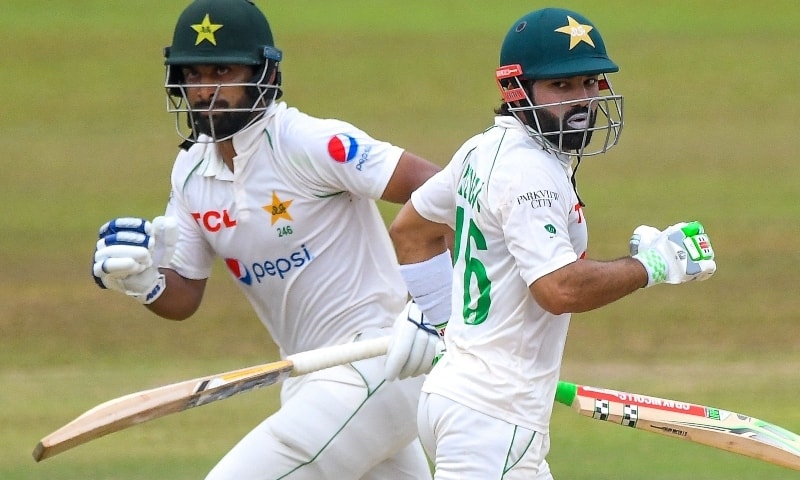
Pakistan’s T20 World Cup campaign hangs by a thread as the Super Eight stage nears its conclusion, with the team staring at a must-win — and win big — clash against Sri Lanka in Pallekele.
While Group 1’s fixture between South Africa and Zimbabwe holds little consequence, and India’s meeting with West Indies shapes up as a virtual quarter-final, all eyes will be on Pakistan’s decisive Group 2 encounter under lights on Sunday.
Led by Salman Ali Agha, the Green-shirts must not only beat Sri Lanka on their home turf but do so emphatically to overhaul New Zealand’s superior net run-rate. Calculations suggest Pakistan need a 64-run victory or must chase the target within 13.1 overs — a formidable requirement in the shortest format.
Though the task appears steep, Pallekele has witnessed high-scoring thrillers before. Australia’s 263-3 — powered by Glenn Maxwell’s explosive 145 — remains the venue’s highest T20I total. Sri Lanka themselves posted 225-5 against Oman earlier in the tournament and chased 182 in 18 overs against Australia, thanks to Pathum Nissanka’s century. Yet the same ground has also produced collapses, including Sri Lanka’s 95 against England in the Super Eights.
For Pakistan, the challenge extends beyond numbers. Years of inconsistency in major ICC tournaments reflect deeper structural issues, particularly in team selection. Critics argue that Pakistan’s struggles stem not merely from tactical errors but from a system that elevates individuals prematurely rather than rewarding sustained performance.
In that context, questions have resurfaced over Babar Azam’s place in the T20 World Cup setup. Despite respectable career statistics, his returns in global events have drawn scrutiny. Since 2021, he has scored 640 runs in 21 World Cup innings at an average of 33.68 and a strike-rate of 111 — modest figures by modern T20 standards. In the current tournament, scores of 15, 46, 5 and 25 have done little to silence doubts.
Critics point to his cautious approach in high-pressure games, arguing that the format demands urgency and adaptability. His presence at the top order has also forced aggressive left-hander Fakhar Zaman down the batting lineup, potentially blunting Pakistan’s attacking edge.
Some believe resting Babar for this crucial encounter could inject fresh energy into the side and allow aggressive options such as Khawaja Nafay or Faheem Ashraf an opportunity. It may also offer the senior batter a chance to regroup.
Realistically, even with bold changes, the required margin remains massive. Yet if Pakistan manage to pull off an emphatic win and secure a semi-final berth, it would be hailed as a statement of collective intent over individual reliance.
Ultimately, the mission in Pallekele is about team progression. In a format defined by fine margins and fearless execution, Pakistan must prioritise the greater good — because at this stage, it is not reputations but results that matter.