
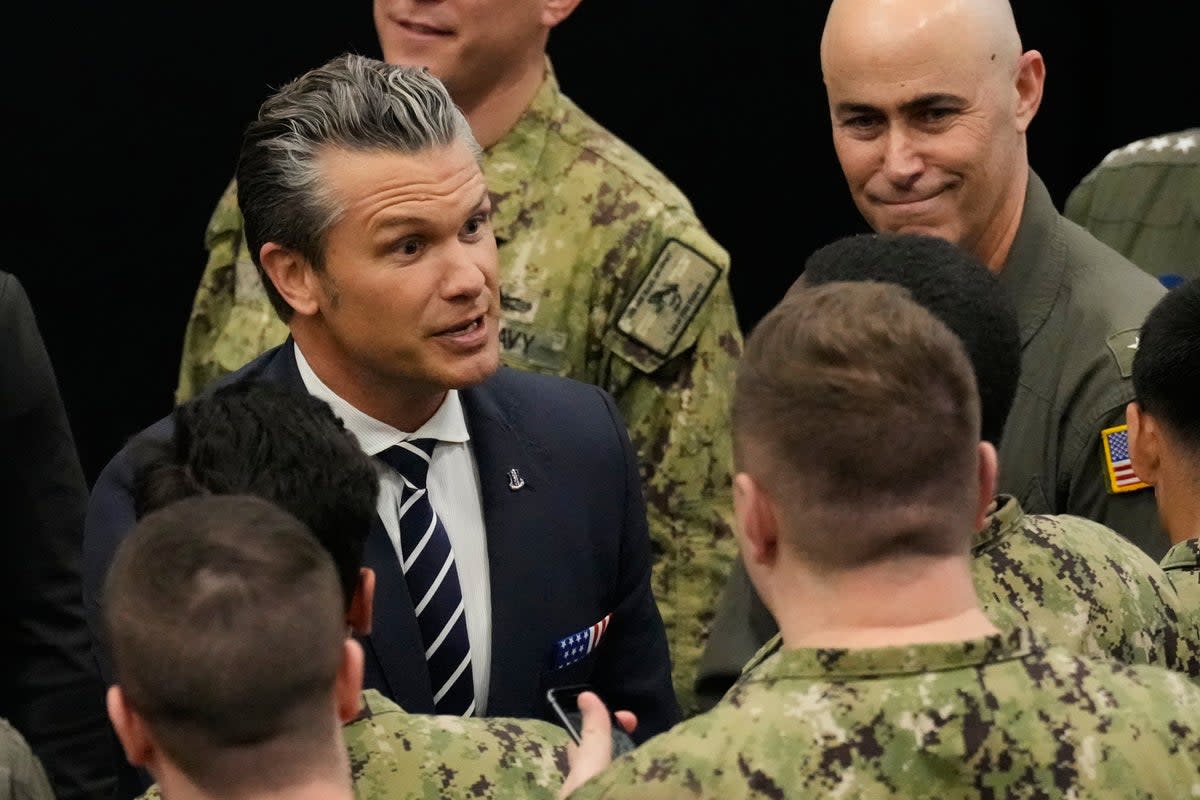
WASHINGTON: US Defence Secretary Pete Hegseth has abruptly removed Army Chief of Staff General Randy George, ordering his immediate retirement as the conflict with Iran enters its fifth week, according to multiple US media reports on Friday.
The move is being described as one of the most significant leadership shake-ups at the Pentagon in decades and comes at a critical moment as US military operations in the Middle East continue.
Alongside General George, two other senior officers were also removed: General David Hodne, head of the Army’s Transformation and Training Command, and Major General William Green, chief of the Army Chaplain Corps.
General George’s tenure has been cut short nearly one and a half years into what is traditionally a four-year term. He had been appointed in 2023 and was expected to remain in the role until 2027.
According to US defence officials cited by media outlets, Hegseth is seeking leadership more closely aligned with both his own and President Donald Trump’s vision for the Army.
The decision has raised concerns over stability within the Pentagon, particularly as the US remains actively engaged in combat operations against Iran.
A career infantry officer and West Point graduate, General George had served in the Gulf War and later deployments in Iraq and Afghanistan. His removal is the latest in a broader pattern of senior military dismissals under Hegseth, who has reportedly sidelined more than a dozen top officers across different branches of the armed forces.
Reports also pointed to growing internal tensions within the Pentagon. Several outlets said George had clashed with Hegseth over personnel decisions and promotion matters.
General Christopher LaNeve, the current vice chief of staff, has been named acting Army chief. His appointment is widely seen as signalling a shift toward leadership more closely aligned with the administration’s strategic priorities.
Military analysts have warned that such abrupt changes in senior leadership during wartime could affect operational planning, troop coordination, and long-term military readiness as the conflict with Iran intensifies.
The leadership shake-up has also drawn scrutiny from lawmakers and defence experts, with critics warning that frequent removals of senior officers during an active conflict risk politicising the military at a time when unified command remains crucial.