
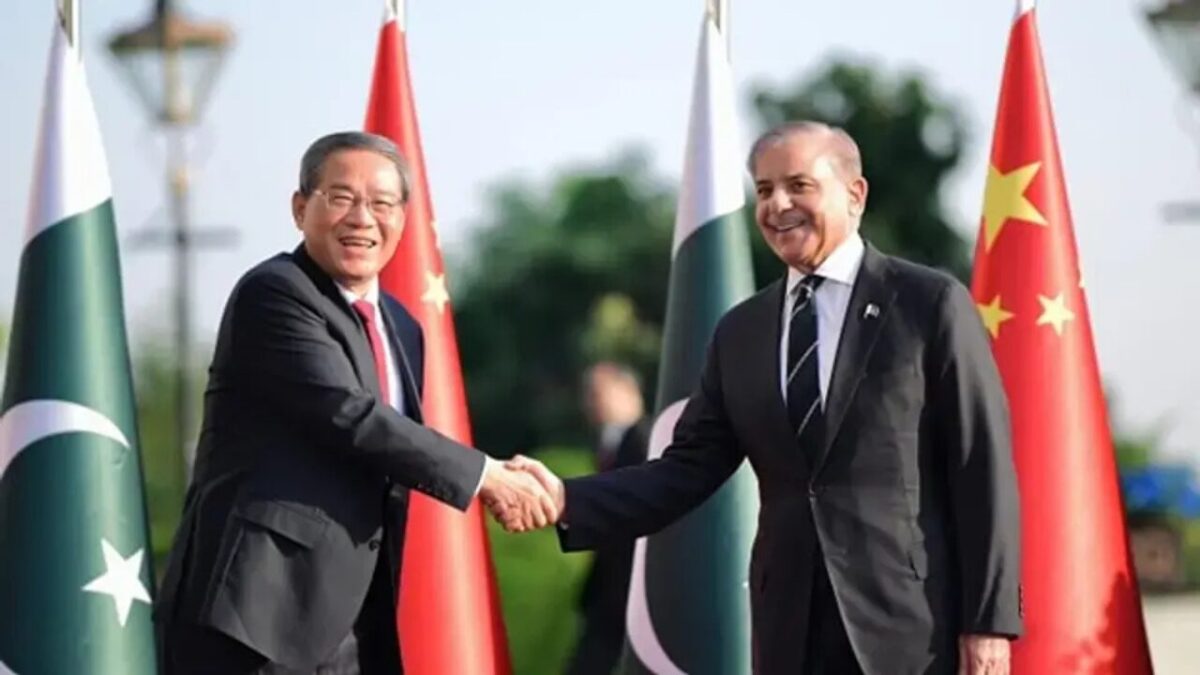
There are indications that China is stepping up efforts to help resolve tensions between Pakistan and Afghanistan over cross-border terrorism. Last month, Pakistan launched Operation Ghazab lil-Haq following a series of deadly attacks inside the country that officials said were traced to militants operating from Afghan territory.
Despite ongoing hostilities, there has been little progress toward a negotiated settlement. However, Beijing’s diplomatic engagement could create an opportunity to ease tensions and address Pakistan’s concerns about Afghanistan allegedly providing safe haven to militant groups such as the Tehreek-i-Taliban Pakistan (TTP).
Pakistan’s Foreign Office confirmed that the situation in Afghanistan was recently discussed during a phone call between Pakistan’s prime minister, foreign minister, and China’s foreign minister. According to the FO spokesperson, Islamabad remains engaged in a dialogue process regarding Afghanistan.
At the same time, China’s ambassador to Kabul and its special envoy for Afghanistan have met with the Taliban’s foreign minister. The Chinese foreign ministry said its officials have been moving between Pakistan and Afghanistan in an effort to encourage dialogue and prevent the conflict from escalating further. Beijing has stressed that the immediate priority is to stop the fighting from widening.
Pakistan maintains that it has the right to respond to attacks originating across the border, especially when the Afghan Taliban have not taken verifiable steps to curb cross-border militancy. While military operations have continued — with authorities saying strikes targeted Taliban positions and militant camps — Islamabad may ultimately benefit from de-escalation if Kabul provides credible assurances against anti-Pakistan militant activity.
The broader regional situation also adds urgency to resolving tensions. Pakistan’s neighbourhood remains volatile amid the wider conflict sparked by the US-Israeli war with Iran, and the country must remain prepared for possible regional repercussions. In this context, reducing tensions with Afghanistan would be strategically prudent. Pakistan has already demonstrated its resolve, and the message may have been received in Kabul.
China appears well-positioned to act as a mediator given its close ties with Pakistan and its working relationship with Afghanistan’s leadership. Beijing also faces security concerns linked to militant activity originating from Afghan territory, which makes it sensitive to Pakistan’s concerns. Reports suggest that Chinese President Xi Jinping has taken a personal interest in efforts to ease the dispute.
Meanwhile, traditional mediators such as Saudi Arabia, Qatar, and Turkiye are largely occupied with the escalating conflict in the Middle East. As a result, closer cooperation between Pakistan and China could help pave the way for a diplomatic solution. Ultimately, any progress should focus on securing firm commitments from Kabul to prevent militant groups from using Afghan soil to launch attacks against Pakistan, paving the way for more stable bilateral relations.