
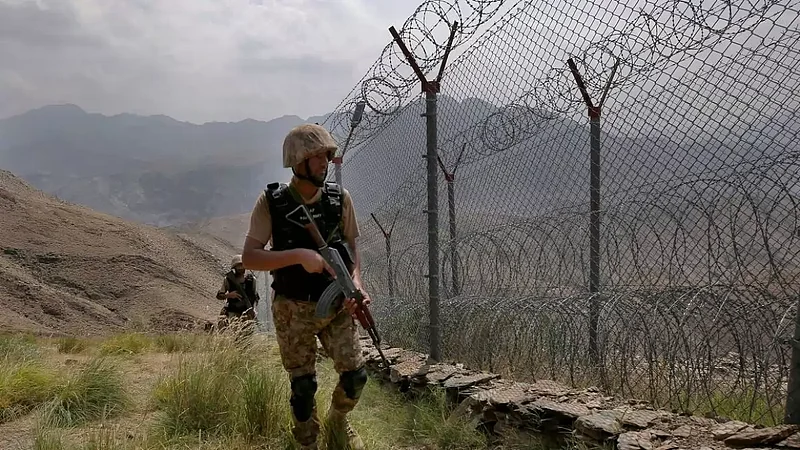
Pakistan continues to face frequent terrorist attacks, many linked to the banned Tehrik-i-Taliban Pakistan (TTP) operating from Afghanistan. Frustration with its western neighbour is understandable. Recently, Defence Minister Khawaja Asif told foreign media that Pakistan may strike targets inside Afghanistan if cross-border terrorism persists, alleging that India and the Afghan Taliban are waging a “proxy war” against Pakistan.
The minister attributed the current situation to Pakistan’s past involvement in Afghanistan during the 1980s and post-9/11 interventions, a reference to the Afghan jihad and the US-led invasion of Afghanistan. Such remarks, though repeated over the years, reflect official frustration with Kabul’s lack of action against violent groups.
While these reactions are understandable given the persistent attacks, military action should remain a last resort. Publicly threatening such measures may escalate tensions and further destabilise regional relations.
It is widely acknowledged that Taliban-ruled Afghanistan has become a haven for global terrorist networks. UN assessments, including the latest Security Council report, warn that the TTP could evolve into an “extra-regional threat” and note that foreign states generally do not believe Taliban claims that they are not harbouring terrorists. Pakistan is not alone in these concerns; neighbouring Tajikistan has raised similar complaints.
Although cross-border raids in the past have temporarily reduced infiltration, TTP militants remain entrenched in Afghanistan. While Pakistan must protect its borders and prevent armed actors from violating its territory, a large-scale military campaign against Kabul may prove counterproductive.
Instead, Pakistan can leverage diplomatic channels with countries that maintain relations with the Taliban, such as Saudi Arabia, Qatar, and Turkey, to secure a commitment from Kabul to curb terrorism. Additionally, Afghanistan’s interest in regional trade offers Pakistan a strategic incentive to collaborate with China, Russia, and Central Asian states, encouraging Kabul to prioritise commerce over armed violence.
Regarding alleged India-Taliban links, Pakistan should highlight these concerns on international platforms to expose potential external interference. In navigating this complex landscape, a combination of measured defence, diplomacy, and regional engagement may provide a more sustainable solution than unilateral military action.