
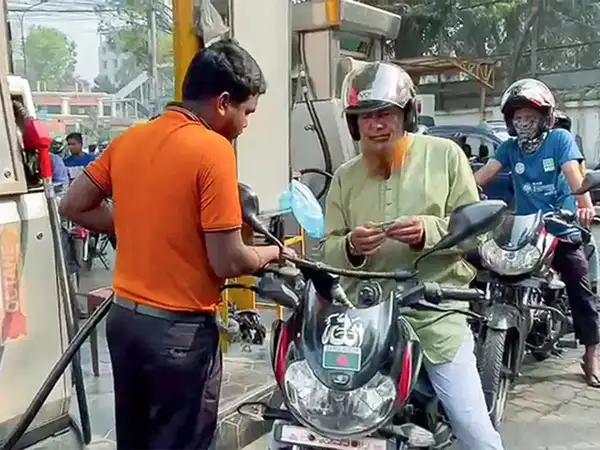
ISLAMABAD: The government has finalised a mobile application-based fuel quota system aimed at providing targeted subsidies to low-income users, particularly owners of motorcycles and rickshaws, while also curbing fuel consumption amid rising global oil prices.
The system has been developed jointly by the Oil and Gas Regulatory Authority, along with the ministries of finance, petroleum, and information technology. A final decision is still pending on whether the scheme will be extended to small cars up to 800cc or remain limited to two- and three-wheelers.
Under the plan, fuel distribution will be managed through a fully automated, app-based mechanism. Consumers will use a mobile application linked to their CNIC and vehicle registration, allowing them to generate digital vouchers for fuel purchases.
At petrol stations, retailers will verify these vouchers through a separate app. The system will automatically enforce quota limits — for instance, if a user is eligible for 15 litres, they will not be able to obtain more even if they request a higher amount.
To facilitate implementation, petrol pumps will be required to install dedicated devices and maintain at least two mobile phones per outlet. The Ministry of Information Technology and Telecommunication is coordinating with manufacturers to supply specialised devices for the system.
Subsidised fuel will be provided specifically for motorcycles and rickshaws, with designated nozzles at fuel stations to ensure smooth distribution. Authorities are still weighing whether similar subsidies should apply to small cars.
Oil marketing companies will appoint focal persons at each retail outlet for monitoring and complaint resolution, with oversight maintained by regulators and the petroleum division.
Officials say the initiative comes as Pakistan faces mounting pressure on its fuel supply chain and foreign exchange reserves. Despite global price shocks, domestic demand has remained high, adding to the fiscal burden.
The ongoing conflict in the Middle East — particularly disruptions in the Strait of Hormuz — has driven oil prices sharply upward, prompting the government to explore measures to manage consumption and protect vulnerable segments of society.
The proposed quota system is being fast-tracked to ensure uniform implementation across the country and prevent misuse, while broader diplomatic and economic efforts continue to address the impact of the global energy crisis.