
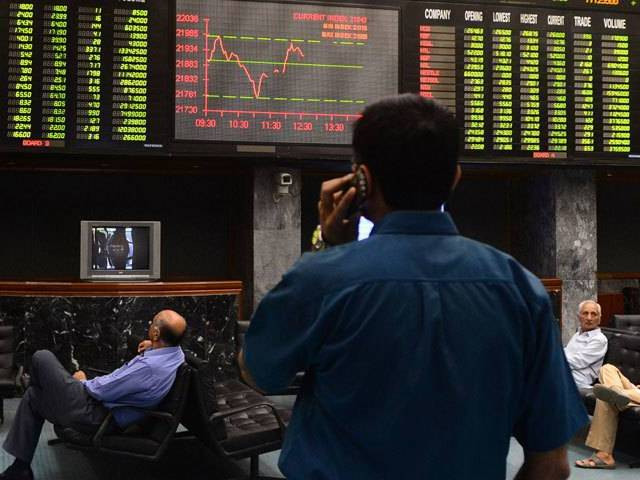
KARACHI: The Pakistan Stock Exchange (PSX) suffered its steepest single-day drop in history on Thursday, as rising geopolitical tensions and soaring global oil prices triggered panic selling, dragging the KSE-100 index below 173,000 and wiping out Rs713 billion in market capitalisation during the first session of Ramazan.
The benchmark index closed at 172,170.29, down 6,683 points or 3.74%, after hitting an intraday low reflecting a 7,205-point decline amid heavy volatility.
Investors reacted to a surge in international crude prices — up over 6% in two days — driven by fears of supply disruptions linked to escalating US-Iran tensions. As a net oil importer, Pakistan is particularly vulnerable to rising energy costs, worsening macroeconomic concerns and undermining market confidence.
Farid Alam of AKD Securities said regional instability, coupled with domestic political tensions such as sit-ins and roadblocks, heightened investor anxiety. He noted that reports of 125 foreign companies exiting Pakistan did not indicate sudden capital flight, as most firms were dormant, project-based, or restructuring.
Mohammed Sohail, CEO of Topline Securities, added that the downturn was exacerbated by delays in the Reko Diq project, aggressive foreign selling, and corporate results falling short of expectations. Persistent foreign outflows and selling by local insurance companies further pressured the market.
Trading was affected by shortened hours for Ramazan, reducing participation and amplifying price swings. Volume fell 22.17% to 543 million shares, while traded value plunged 45.26% to Rs27.39 billion. Heavyweights such as Fauji Fertiliser, Engro Holdings, United Bank, OGDCL, Pakistan Petroleum, and Meezan Bank collectively erased 2,113 points from the index.
Deputy Head of Trading at Arif Habib Ltd, Ali Najib, said intense selling pressure erased previous gains and underscored the market’s fragile sentiment.
On the corporate front, Faysal Bank reported CY25 earnings of Rs22.5 billion (EPS Rs14.80), down 6% year-on-year. Quarterly profit stood at Rs6.5 billion, up 83% year-on-year, and the bank announced a total CY25 cash dividend of Rs6.5 per share.
Analyst Khalid Saifuddin described the recent rally as a “bull trap,” noting that with results season largely over and geopolitical risks high, the market was vulnerable to correction. He said the PSX was closely tracking the prime minister’s engagement with US leadership, while upcoming external obligations, including an April Eurobond, added to volatility.
Analysts expect the 172,000–170,000 range to act as critical support, with 180,000 serving as immediate resistance for any meaningful recovery attempt.