
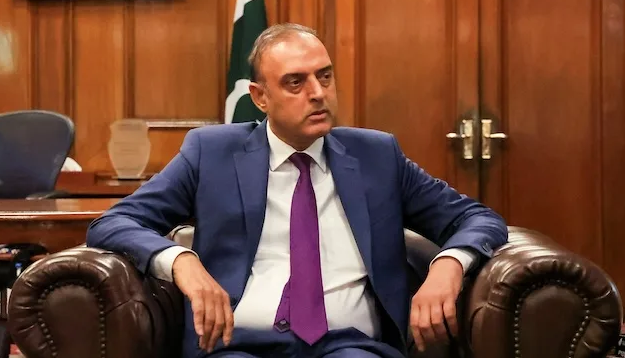
State Bank of Pakistan (SBP) Governor Jameel Ahmad has expressed confidence that the country’s economy could grow by as much as 4.75 per cent this fiscal year, offering a more optimistic outlook than the International Monetary Fund’s (IMF) recent downgrade.
In written remarks to Reuters, the SBP chief said the recovery was more broad-based and sustainable than headline export figures suggest. At its January meeting, the central bank raised its FY26 growth forecast to 3.75–4.75pc — up by 0.5 percentage points from its earlier estimate — despite a contraction in exports during the first half of the year and a widening trade deficit.
Ahmad noted that differences in projections between institutions were not unusual, attributing the IMF’s more cautious view partly to flood-related assessments incorporated into its latest outlook.
“All indicators, including FY26 first-quarter data, point to a broad-based recovery across all three sectors of the economy,” he said, adding that agriculture had shown resilience despite last year’s floods and was performing better than targeted.
He also highlighted the easing of financial conditions following a cumulative 1,150-basis-point cut in the policy rate since June 2024. The full impact of this monetary easing, he said, is still filtering through the economy, supporting growth while maintaining price and financial stability.
Last month, however, the SBP kept its benchmark interest rate unchanged at 10.5pc, defying market expectations of a further cut.
The divergence in outlook comes as Pakistan continues its recovery under a $7 billion IMF programme after emerging from a balance-of-payments crisis. Investors remain cautious, given that past growth cycles have often led to currency pressures and shrinking foreign exchange reserves.
Ahmad pointed to high-frequency indicators and 6pc growth in large-scale manufacturing between July and November as signs of strengthening domestic demand. While exports declined in the first half of the fiscal year, he said the drop was driven mainly by lower global prices and border disruptions rather than weak economic activity.
He projected that the current account deficit would remain within 1pc of GDP, supported by strong remittance inflows that are helping offset the widening trade gap and boost foreign exchange reserves. Further gains are expected from Eid-related inflows.
“If the government decides to tap global capital markets for debt issuance, that would be on the upside of our current assessment,” Ahmad said. Pakistan is planning to issue yuan-denominated panda bonds in China around the Lunar New Year as part of efforts to diversify external financing sources.
The SBP has also been regularly purchasing dollars from the interbank market to strengthen foreign exchange buffers, with data released periodically.
While acknowledging improved macroeconomic stability, Ahmad stressed that sustained growth would depend on continued structural reforms and productivity gains.