
The UN Security Council has unanimously extended the mandate of the Monitoring Team supporting the 1988 Afghanistan Sanctions Committee, which oversees sanctions against the Taliban, for one more year, until February 17, 2027. The US-drafted resolution received full backing from all 15 council members amid growing international concern over Afghanistan’s deteriorating security situation.
Pakistan, a supporter of the resolution, highlighted threats from multiple terrorist groups, including Tehreek-i-Taliban Pakistan (TTP), the Baloch Liberation Army (BLA), ISIL-Khorasan (ISIL-K), the Majeed Brigade, and Al-Qaeda. Ambassador Asim Iftikhar Ahmad, Pakistan’s Permanent Representative to the UN, warned that these groups “have been responsible for some of the most heinous terrorist attacks against Pakistan,” citing recent attacks that killed 80 people this month alone. He urged the Taliban to prevent Afghan territory from being used for planning attacks against neighboring countries.
“Afghanistan’s future depends on whether the Taliban choose isolation or peace and prosperity as a responsible international actor,” he said, stressing humanitarian and human rights concerns, particularly for women and girls, and highlighting issues such as economic collapse, political exclusion, and drug trafficking.
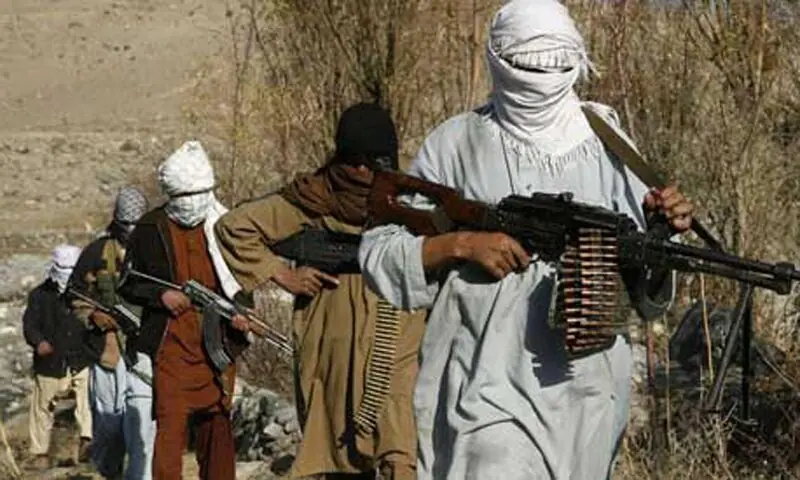
The UN Monitoring Team’s 37th report paints a stark picture of Afghanistan as a base for multiple militant groups. While Afghan authorities claim no terrorist groups operate in the country, the UN report states no member state supported that assessment. TTP continues to operate with relative freedom, carrying out attacks against Pakistan, while Al-Qaeda maintains its training and advisory role, including planning high-profile operations.
Other groups cited include Al-Qaeda in the Indian Subcontinent (AQIS), active in southeastern Afghanistan; ISIL-K, with strongholds in northern Afghanistan; the East Turkistan Islamic Movement (ETIM/TIP), which reportedly enjoys Taliban patronage; and the Baloch Liberation Army (BLA), targeting Pakistani security forces and CPEC projects.
The Monitoring Team warned of the potential for collaboration among these groups, which could expand threats beyond the region. The report also noted the use of modern tools, such as satellite communications and artificial intelligence, by militant networks.
The findings are expected to inform future Security Council discussions on Afghanistan, emphasizing the need for the Taliban to take “sustained and verifiable” action against terrorist groups and prevent Afghan territory from being used for external attacks.