
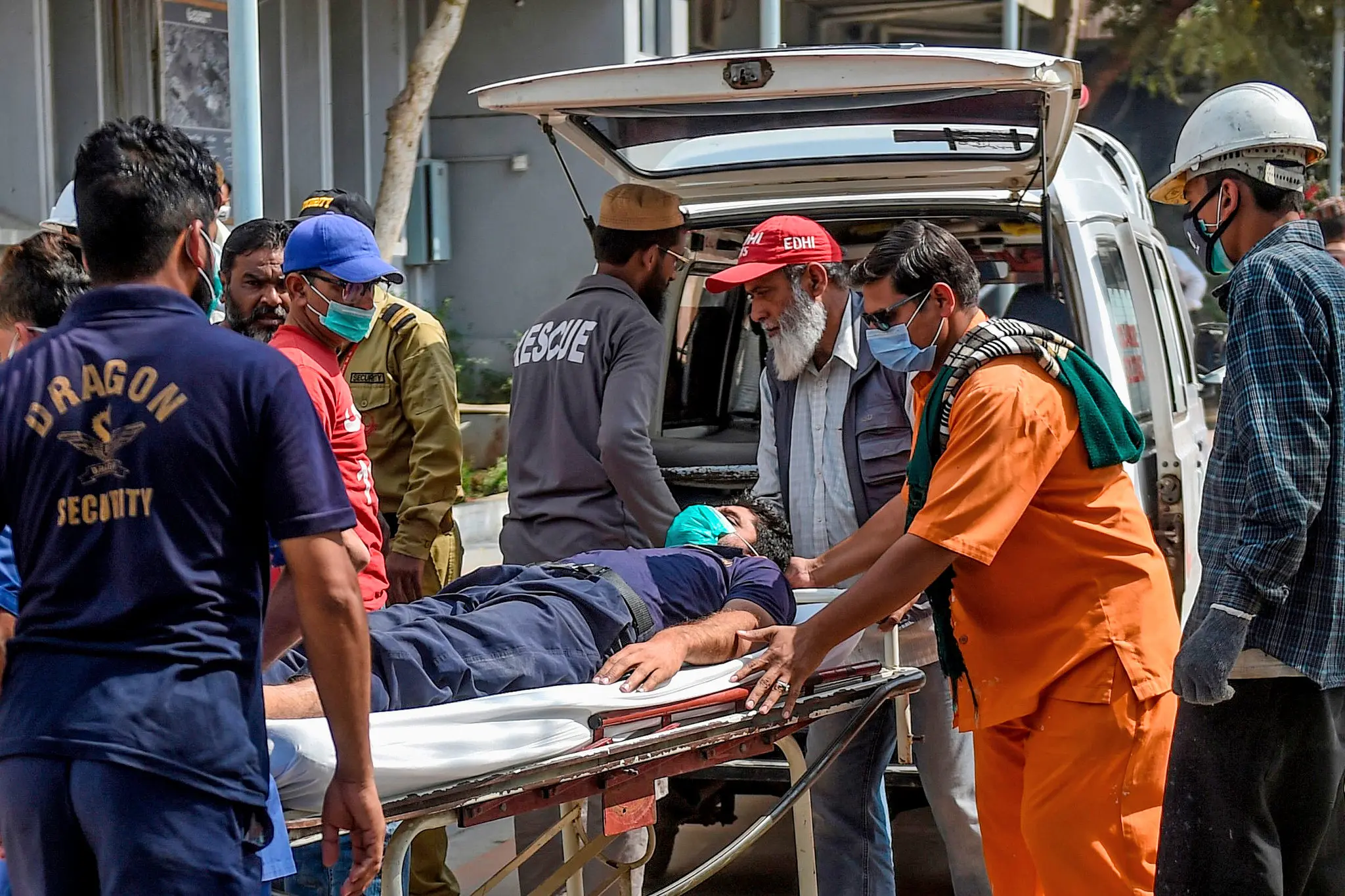
Pakistan’s health sector is no longer simply overstretched — it is in a state of deep crisis. The Pakistan Medical Association’s Health of the Nation 2026 report paints a troubling picture of a system plagued by long-standing, preventable issues that have gradually become normalised. The statistics alone demand urgent action: 675 newborns and 27 mothers lose their lives each day due to avoidable causes. These are not inevitable tragedies but clear governance failures.
Unsafe drinking water continues to be a major yet largely overlooked threat. Nearly 40 per cent of annual deaths are linked to contaminated water, which also accounts for 30 per cent of reported diseases across the country. Diarrhoea remains a leading cause of death among infants and young children, while one in five Pakistanis suffers from a waterborne illness.
This growing burden is overwhelming an already fragile healthcare system. Pakistan carries the world’s highest burden of hepatitis C, ranks among South Asia’s worst-affected countries for heart disease, and has the highest incidence of breast cancer in Asia — stark indicators of inadequate prevention strategies and weak primary healthcare.
The spread of extensively drug-resistant typhoid in Karachi and other parts of Sindh illustrates how multiple breakdowns — unsafe water, misuse of antibiotics, and poor regulatory oversight — can combine to create dangerous and costly public health threats. Equally concerning is the rapid rise of HIV cases. Infections have increased by 200 per cent over the past 15 years, making it the fastest-growing epidemic in the WHO Eastern Mediterranean Region. Around 350,000 people are living with HIV, many unaware of their status, underscoring serious gaps in awareness, testing and regulation.
The crisis is further compounded by soaring medicine prices and shortages of around 80 essential life-saving drugs, including insulin. When families are forced to choose between basic necessities and medical treatment, it reflects a failure of state responsibility. At the same time, worsening air pollution across much of the country has turned environmental degradation into a pressing public health emergency.
The Pakistan Medical Association’s demand for a national health emergency merits immediate attention. Increasing healthcare spending to at least 3 per cent of GDP, stabilising prices of essential medicines, eliminating black-market practices, and ensuring access to clean drinking water are not extraordinary measures — they are fundamental obligations. Without swift and decisive action, the crisis will only intensify, with more lives paying the price.