
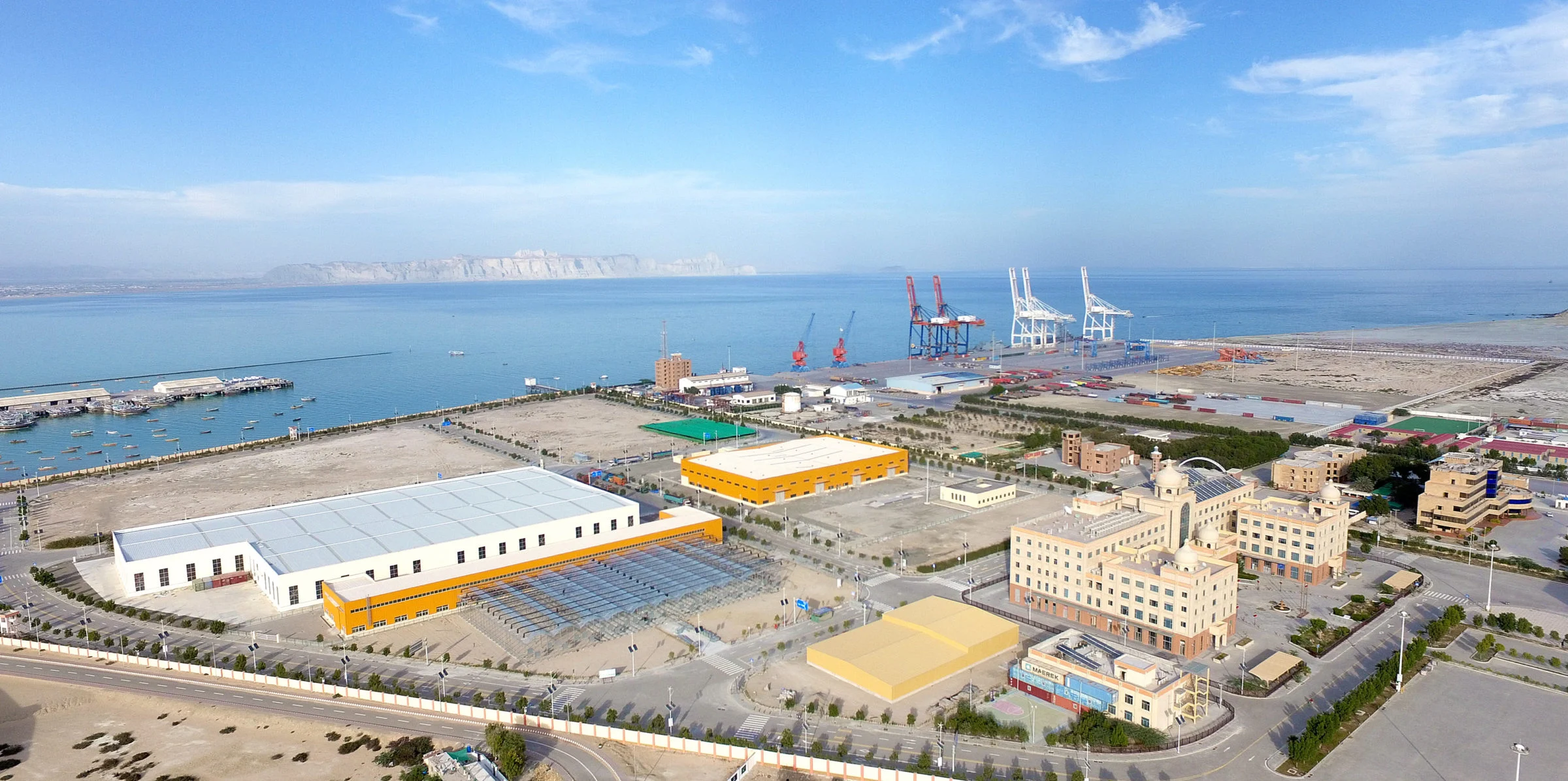
ISLAMABAD: Pakistan’s ports are rapidly gaining attention as a reliable alternative for global shipping, as rising tensions in the Middle East push maritime traffic away from risk-prone routes like the Strait of Hormuz.
With new facilitation measures in place, Karachi’s ports are witnessing a surge in incoming vessels, as international shipping lines reroute cargo to avoid security threats and rising insurance costs in the Gulf region.
To capitalise on this shift, the government has formed specialised sub-committees aimed at introducing structural reforms in the maritime and logistics sectors. Key steps already taken include reducing port charges to improve competitiveness, accelerating the clearance of backlogged cargo, and introducing targeted policies to promote transshipment activity.
Industry officials report that this diversion has led to an exceptional increase in transshipment volumes at Karachi, positioning Pakistan as a promising trade hub beyond vulnerable maritime chokepoints.
According to official figures, Karachi port handled 8,860 containers in just 24 days — surpassing the total annual volume of 8,300 containers recorded in 2025 — highlighting the rapid pace of cargo rerouting.
Experts note that both Karachi and Gwadar ports are now being tested for their potential to serve as transshipment centres for GCC countries and other regions, especially during periods of geopolitical instability. Their location outside narrow and high-risk maritime passages offers a strategic advantage, particularly for trade in petroleum products and LPG.
Shipping companies are increasingly favouring Karachi as a safer option, steering clear of routes exposed to conflict-related disruptions and security concerns in the Gulf.
Khurram Mukhtar, Patron-in-Chief of the Pakistan Textile Exporters Association (PTEA), said that shifting global trade patterns are positioning Pakistan as a stable and attractive destination for trade, investment, and transshipment.
The PTEA has recommended setting up a Centralised Monitoring and Response Unit under the Pakistan Single Window system to oversee cargo flows in real time. This unit would act as a control centre to detect bottlenecks across ports, terminals, and shipping networks, ensuring swift coordination and uninterrupted cargo movement.
Additionally, the association has called for the introduction of comprehensive service benchmarks across the maritime supply chain — covering ports, terminal operators, and shipping lines — aligned with international standards to improve efficiency, reduce delays, and enhance competitiveness.
It has also proposed mandatory advance manifest filing for all shipping lines to strengthen planning, transparency, and operational efficiency in the country’s trade ecosystem.