
• Qatar, Saudi Arabia spearhead diplomatic efforts; Iran offers mediation
• Trump signals reluctance to intervene, citing close ties with Pakistan
• UN, China, Russia, UK urge immediate ceasefire
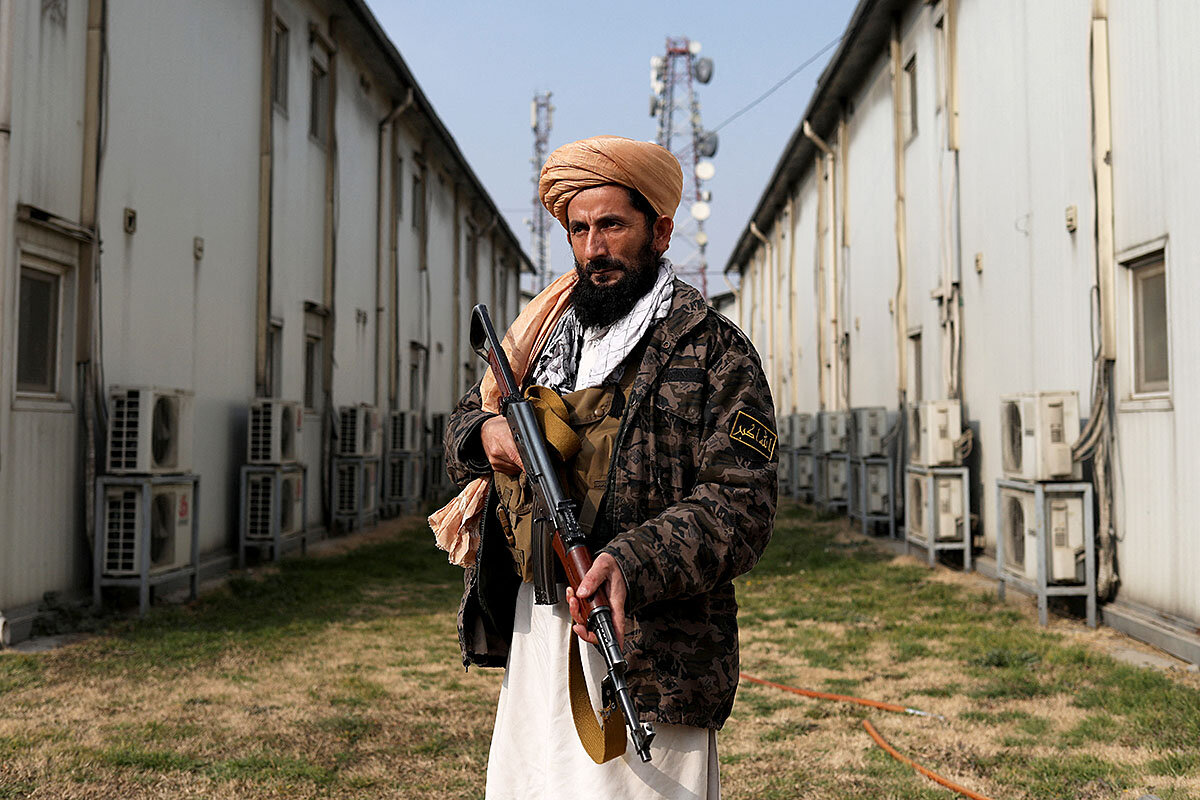
ISLAMABAD: Afghanistan’s Taliban authorities said on Friday they were open to negotiations following Pakistan’s air strikes on major Afghan cities, which reportedly left dozens dead in the most serious escalation yet between the former allies. Defence Minister Khawaja Asif described the situation as an “open war”.
The Taliban, who claim to have launched retaliatory attacks after Pakistan targeted alleged militant hideouts last weekend, said they now prefer dialogue.
According to Afghanistan’s foreign ministry, Foreign Minister Amir Khan Muttaqi told Qatar’s Minister of State for Foreign Affairs Mohammed bin Abdulaziz Al-Khalifi in a phone call that Kabul has consistently sought to resolve disputes through “mutual understanding and respect”.
Taliban spokesperson Zabihullah Mujahid reiterated that position, stating the group wished to settle the matter through dialogue.
Regional powers have intensified diplomatic efforts to prevent further escalation. Iran, which shares borders with both countries, offered to mediate. Foreign Minister Abbas Araghchi said Tehran was ready to assist in facilitating talks and improving cooperation between Islamabad and Kabul.
Saudi Arabia and Qatar are also working behind the scenes to calm tensions. Saudi Foreign Minister Prince Faisal bin Farhan expressed concern in calls with both Afghan and Pakistani officials, including Pakistan’s Ishaq Dar.
Turkey joined the diplomatic outreach as well, with Foreign Minister Hakan Fidan holding separate conversations with counterparts from Pakistan, Afghanistan, Qatar and Saudi Arabia.
Major global powers echoed the call for restraint. China voiced deep concern over the violence, urging both sides to exercise restraint and resolve differences through dialogue. Chinese Foreign Ministry spokesperson Mao Ning confirmed Beijing was mediating through its own channels and had sought assurances regarding the safety of Chinese personnel and projects.
Russia, which maintains ties with both Islamabad and Kabul, warned the clashes were a dangerous development. Foreign Ministry spokeswoman Maria Zakharova called for an immediate halt to hostilities, while Kremlin spokesman Dmitry Peskov said Moscow was closely monitoring the situation.
From Europe, British Home Secretary Yvette Cooper expressed grave concern and urged both countries to take immediate steps to reduce tensions and avoid further civilian harm.
In Washington, US President Donald Trump signalled he was unlikely to intervene. Speaking to reporters, he cited his strong ties with Pakistan’s leadership and praised the country’s prime minister and military leadership, indicating he did not plan to step into the dispute at this stage.
The United Nations also called for an immediate cessation of hostilities. Secretary-General Antonio Guterres, through spokesperson Stephane Dujarric, expressed deep concern and urged both sides to resolve differences through diplomacy.
The International Committee of the Red Cross warned of rising humanitarian needs. Its president, Mirjana Spoljaric, said the organisation was preparing an operational response and called for immediate de-escalation to protect civilians.