
By Shuyan (Michael) Huang | February 17, 2026
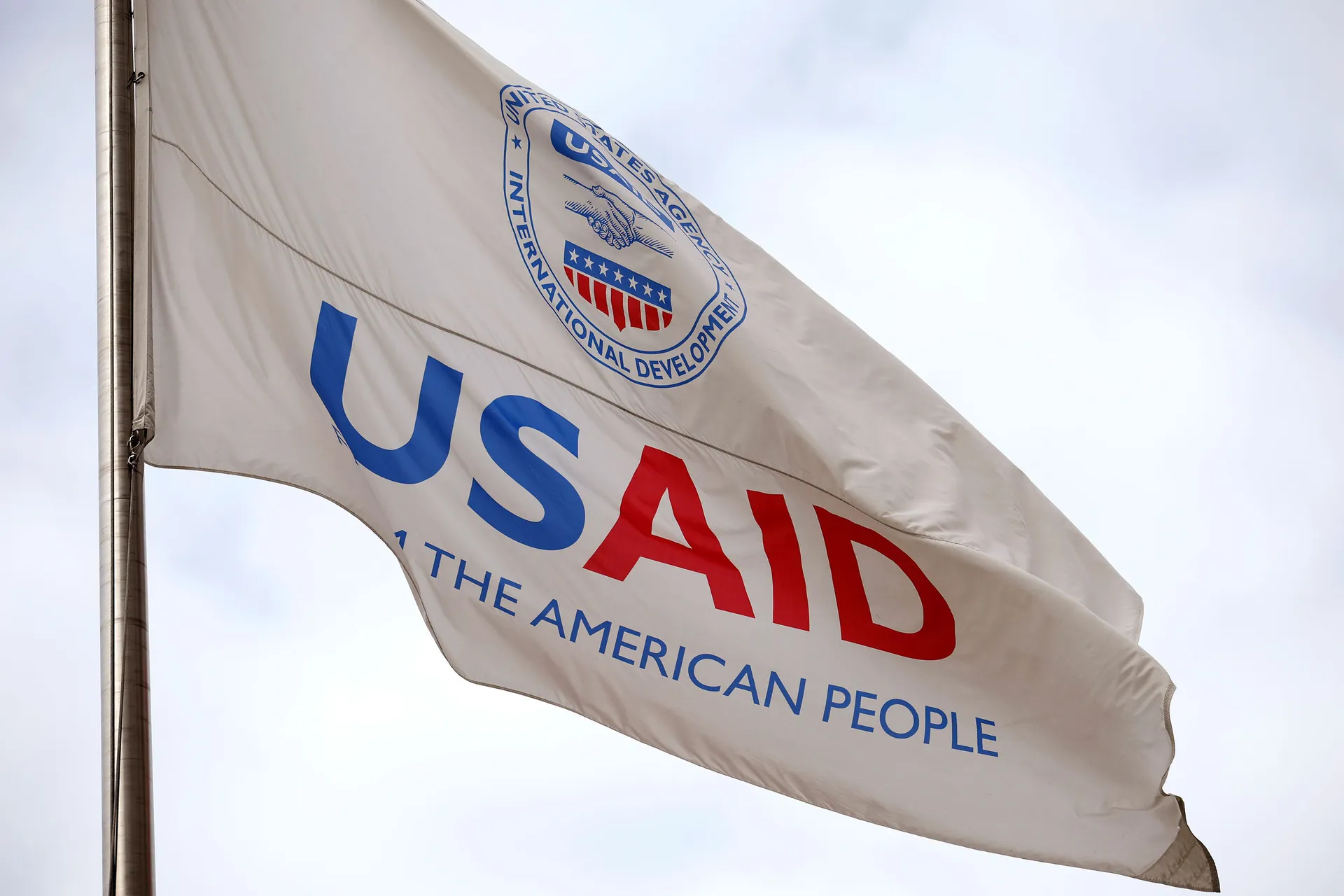
The abrupt closure of USAID exposes a harsh reality: international aid is fragile, bureaucratic, and ultimately shaped by politics both at home and abroad.
I often ask drivers in Pakistan, “Why did you start driving inDrive?” Increasingly, the answers echo the same story: “I used to work in development, then I lost my job.” This is not a coincidence—it is a reflection of the shockwaves from the US shutting down its foreign aid apparatus.
On the surface, USAID’s closure is being framed as another sudden policy reversal, a bureaucratic casualty in an era of disruption. Yet beneath that headline lies a deeper crisis: decades of tension, mistrust, and political calculations that have long defined American aid.
Cycles of Aid and Distrust
The first source of strain is international. From its Cold War origins, US foreign aid has always balanced its stated goals of development with strategic and political objectives. This duality has never been hidden from recipients. During the Cold War, many governments accepted aid because alternatives were limited. Today, with new donors like China and Gulf states expanding their influence, skepticism toward USAID has grown more explicit.
In Pakistan, US assistance is often seen less as generosity than intrusion. The backlash against American aid reflects a history of misperceptions, not just recent policy shifts. US aid to Pakistan has followed cycles tied to Washington’s strategic priorities: Cold War-era security alliances, the 1980s Afghan conflict, sanctions after Pakistan’s nuclear program, and post-9/11 counterterrorism funding. Even at its peak, aid often prioritized security imperatives, short-term projects, and contractors over long-term institution-building. For many Pakistanis, USAID’s shutdown is just the latest chapter in a familiar story.
Bureaucracy Over Development
The second factor is institutional dysfunction. Like many large organizations, USAID suffered from structural weaknesses. Programs were increasingly shaped by security concerns rather than development needs, and decisions made in Washington filtered through multiple contractor layers left little room for local input.
Bureaucratic incentives favored projects with measurable outcomes—schools built, clinics refurbished, roads paved—rather than long-term impact. In Pakistan, funding focused on rapid-impact projects in “fragile” districts while slower, institution-strengthening investments were neglected. Careers in the development sector often revolved around USAID’s project cycles, only to collapse when priorities shifted.
This reliance on quantifiable metrics over sustainable outcomes produced a paradox: USAID was everywhere but often poorly understood, visible but uneven in its effectiveness. When domestic support in the US waned, the agency became especially vulnerable.
Domestic Political Pressures
The third factor lies in US domestic politics. Opposition to foreign aid and international engagement predates Donald Trump, rooted in decades of polarization over globalization and America’s global role. Shuttering a high-profile aid agency sends a clear message to voters who view international commitments as costly or wasteful.
Officially, the US framed the move as a response to China’s “exploitative aid model” and a step to protect American strategic interests. But the explanation is flawed. If competition with China were the goal, reform and reinvestment—not withdrawal—would make more sense. Moreover, Chinese and US aid are not interchangeable: China focuses on large-scale infrastructure through government-to-government channels, while the US targets health, education, and NGOs.
A Domino Effect
USAID’s collapse is not a single misstep or a quirk of one administration. It is the visible result of long-simmering tensions: between ideals and strategic deployment abroad, development goals and bureaucratic practices, and global commitments versus domestic politics.
The consequences reach far beyond a single agency. They expose the fragility of the international aid system, which relies on a handful of leading powers willing to bear political and financial costs. As support erodes, credibility and purpose fade, and institutions collapse. Already, other donors such as the United Kingdom and Germany are scaling back commitments.
What is at stake is not just the closure of USAID, but the gradual unraveling of an international aid regime built on trust, cooperation, and a shared commitment to lifting the world’s poorest out of poverty.