
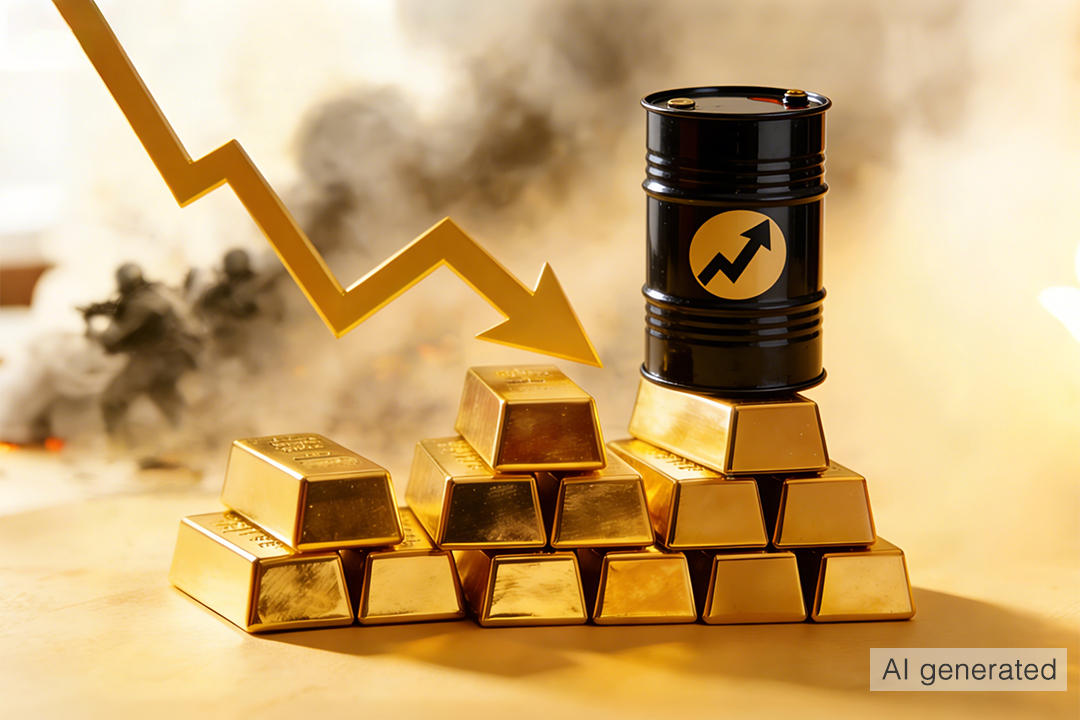
Gold, long considered a reliable safe-haven asset, has seen a sharp decline in value even as geopolitical risks intensify. After climbing to record highs earlier in 2026, prices have dropped significantly, wiping out most of the year’s gains. Several key factors explain this unexpected trend.
Rush for liquidity
Heightened uncertainty stemming from the Middle East conflict has pushed investors to prioritize cash. To cover losses in other markets, many have rapidly sold off assets — including gold — which had enjoyed a strong rally over the past year. Analysts note that gold is often among the first assets to be liquidated because of its high value and ease of sale. Selling gold and silver also provides investors with US dollars, the primary currency used in global energy trade.
Surging oil prices and cash demand
Energy markets have been rattled by disruptions such as the closure of the Strait of Hormuz and attacks on Gulf infrastructure, sending oil prices soaring. As a result, investors are shifting toward cash to manage rising costs and market volatility, further pressuring gold prices.
Interest rate expectations
Rising energy prices are fueling inflation concerns, which could prompt the US Federal Reserve and other central banks to increase interest rates. Higher rates tend to strengthen the dollar and make interest-bearing assets like government bonds more attractive than gold, which does not generate yield. This shift reduces demand for precious metals.
Weakening demand for silver
Silver, often seen as gold’s counterpart, has also declined. Concerns about a global economic slowdown are dampening industrial demand, particularly in sectors like electronics, solar energy, and artificial intelligence infrastructure where silver is widely used.
Supply chain disruptions
The ongoing conflict has disrupted key transportation routes for precious metals. Dubai — a major global trading hub handling a significant share of gold flows — has faced logistical challenges, creating bottlenecks in supply chains. This has temporarily slowed physical demand, especially from Asian markets.
Profit-taking and market sentiment
Investors had already begun taking profits earlier in the year after gold and silver reached record highs. The recent sharp drop marks a second wave of declines in a short period, raising questions about gold’s reliability as a safe-haven asset in times of crisis.
While some analysts believe demand may recover once market conditions stabilize, the current environment of high liquidity needs, rising interest rates, and disrupted trade flows continues to weigh on gold prices in the short term.