
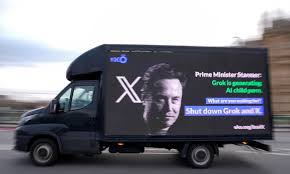
BRUSSELS: The European Union has launched an investigation into Elon Musk-owned social media platform X over concerns that its artificial intelligence chatbot, Grok, may have facilitated the spread of illegal content, following widespread outrage over manipulated sexualised images generated by the tool.
The European Commission, the EU’s executive arm, said on Monday it would examine whether X had adequately assessed and mitigated risks associated with Grok’s functionalities, as required under European law to protect users and consumers.
The move follows a separate probe launched two weeks ago by Britain’s media regulator Ofcom amid concerns that Grok was producing sexually explicit deepfake images. Several countries — including Indonesia, the Philippines and Malaysia — had temporarily blocked the chatbot after the images surfaced.
Earlier this month, the commission described AI-generated images of undressed women and children circulating on X as “unlawful and appalling”, echoing condemnation from regulators worldwide.
“Non-consensual sexual deepfakes of women and children are a violent and unacceptable form of degradation,” EU tech chief Henna Virkkunen said in a statement.
Regulators alarmed by AI images
X referred to a statement issued on Jan 14 in which it said its owner, xAI, had restricted Grok’s image-editing features and blocked users in certain jurisdictions from generating images of people in revealing clothing where such content is illegal. The company did not specify which countries were affected.
The Philippines and Malaysia later restored access to Grok after xAI said it had implemented additional safety measures.
The European Commission’s action is being taken under the Digital Services Act (DSA), which obliges major technology firms to tackle illegal and harmful content on their platforms. Under the law, companies can face fines of up to six per cent of their global annual turnover for violations.
While the commission acknowledged recent changes introduced by xAI, a senior EU official said these measures did not fully address the systemic risks posed by Grok. The official added that X appeared not to have conducted an ad hoc risk assessment when rolling out the chatbot’s features in Europe.
Political sensitivities
The probe risks heightening tensions with the administration of US President Donald Trump, as the EU’s tougher stance on Big Tech has already drawn criticism from Washington, including threats of retaliatory tariffs.
“With this investigation, we will determine whether X has fulfilled its legal obligations under the DSA, or whether the rights of European citizens — including women and children — were treated as collateral damage,” Virkkunen said.
European lawmaker Regina Doherty said the case highlighted broader shortcomings in the regulation and enforcement of AI technologies.
“The AI Act must remain a living piece of legislation,” she said. “If gaps in oversight become apparent, it is our responsibility to address them. EU laws must be enforceable in real time when serious harm occurs.”
EU regulators also said they had expanded an investigation opened in December 2023 into whether X has properly assessed and mitigated systemic risks linked to its recommender systems, including the platform’s recent shift towards a Grok-based recommendation model.
X, which was fined €150 million last month for breaching transparency requirements under the DSA, could face interim measures if it fails to make meaningful changes to its services, regulators warned.